Mold remediation after water damage in Orlando, FL
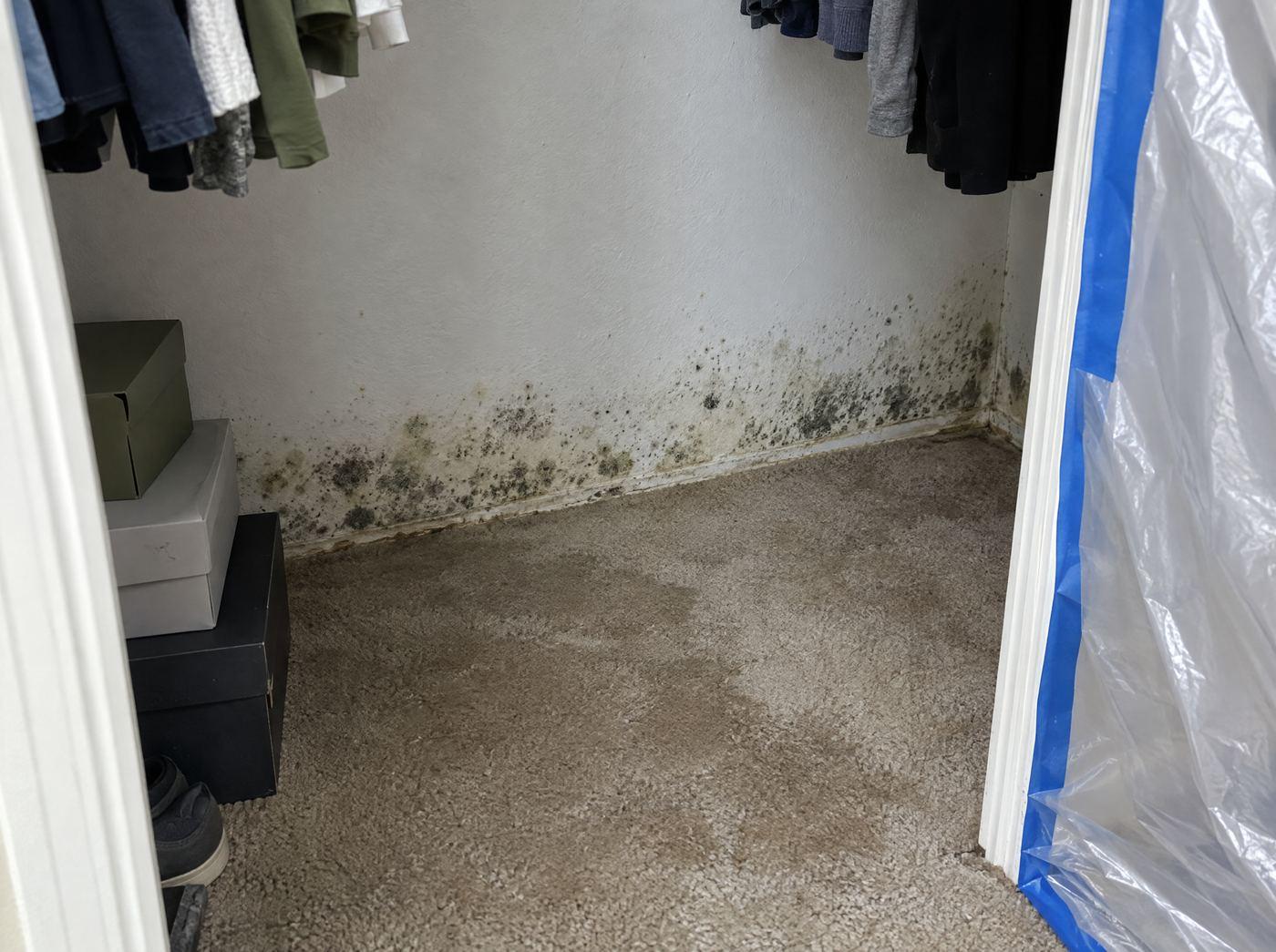
Mold needs moisture and warmth, and Orlando supplies the warmth most of the year. It follows a leak that was not dried, a ceiling that stayed wet after a storm, or an AC closet that dripped for weeks. The EPA says water-damaged materials should be dried within 24 to 48 hours to prevent mold growth.
Florida licenses mold work. Under Chapter 468, Part XVI of the Florida Statutes, a company that does mold remediation for the public needs a Florida mold remediator license, and mold assessment needs a separate mold assessor license. Ask any company for its license number and check it on the Florida DBPR license search before work starts. Homeowners may work on their own home.
Water category:Any water left wet more than 24 to 48 hours
1Find and stop the water source if you can. Mold comes back if the moisture stays.
2Keep the door to the area closed and avoid disturbing the mold.
3If you suspect mold near the AC air handler or in the ducts, ask an HVAC technician before running the system.
4Do not paint or caulk over mold or water stains. It hides the problem without fixing it.
5Photograph what you can see and write down when the leak happened.
How mold remediation cleanup usually works in Orlando
Step 1
Find the moisture
Meters and a thermal camera find the water in walls, ceilings and floors that is feeding the mold.
Step 2
Containment
Plastic barriers and air filtration keep spores from spreading into clean rooms.
Step 3
Removal
Moldy porous materials such as drywall, insulation and carpet are removed and bagged. Solid surfaces are cleaned.
Step 4
Air filtration
HEPA vacuums and air scrubbers capture loose spores and dust during the work.
Step 5
Dry and verify
Dehumidifiers bring materials back to normal moisture, and readings confirm it before walls are closed up.
Local notes
What Orlando homeowners should know
Florida licenses mold remediators and mold assessors separately under Chapter 468, Part XVI of the Florida Statutes. Ask for the license number and look it up on the DBPR license search before anyone starts work.
Insurance
Will insurance cover it?
Many policies limit mold coverage to a set amount or exclude it unless it resulted from a covered water loss. The water damage that caused it may be covered if the loss was sudden and you acted promptly. Read the mold section of your policy and ask your agent.
No honest company can price this over the phone. These are the things the crew measures on site. Read the full cost guide.
How long materials stayed wet
How far the mold spread
Size of the affected area
Containment and air filtration needed
Materials that must be removed
Talk to a local restoration company
One call connects you with an independent company that serves your part of Orlando. Ask for its Florida license number, get a written estimate, and you decide whether to go ahead.
Does Florida require a license for mold remediation?
Yes. Florida Statutes Chapter 468, Part XVI requires a mold remediator license for remediation offered to the public and a separate mold assessor license for assessment. An assessor generally may not remediate a property it assessed within the past 12 months. Check any license on the Florida DBPR license search.
Do I need mold testing in Orlando?
Often not. The EPA says that when mold is visible, sampling is usually unnecessary, and there are no federal limits to test against. Testing can help when you smell mold but cannot find it, or to confirm an area was cleaned. In Florida, mold assessment for hire requires a licensed mold assessor.
Can I clean up mold myself?
The EPA says an area under about 10 square feet can usually be handled by a homeowner. Larger areas, mold after a lot of water, mold in the AC system, or mold after sewage or flood water should go to a professional.
How fast does mold grow after a leak?
The EPA says to dry water-damaged materials within 24 to 48 hours to prevent mold growth. In Florida heat and humidity, it is worth starting the same day.